FIRE & MOLD REMEDIATION
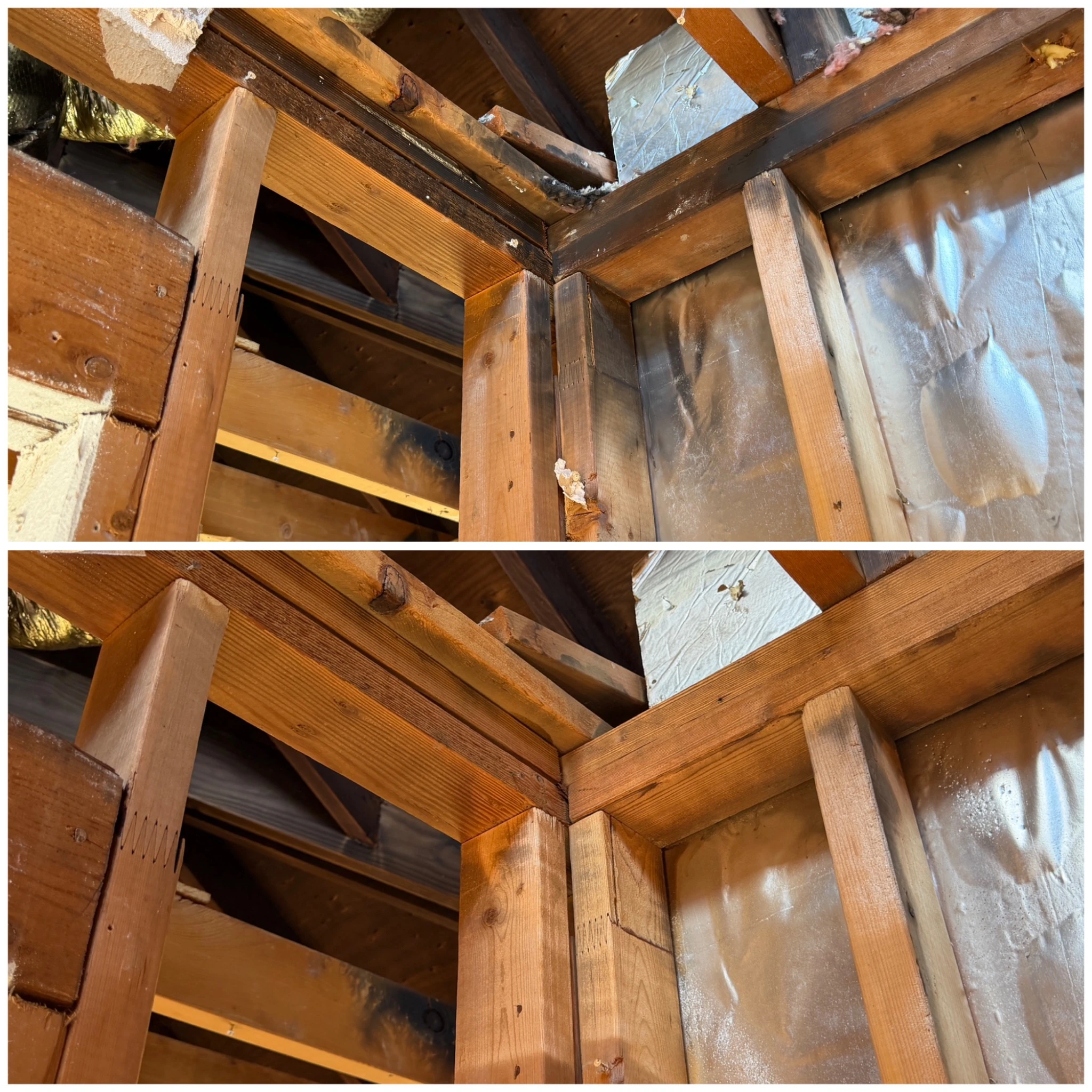
We work as a subcontractor to restoration contractors. You keep the job, the protocol, and the client relationship we handle the removal step. Framing that would take a crew days to hand-sand in a crawlspace gets blasted in a fraction of the time, dry, and ready for your clearance testing.
What we clean
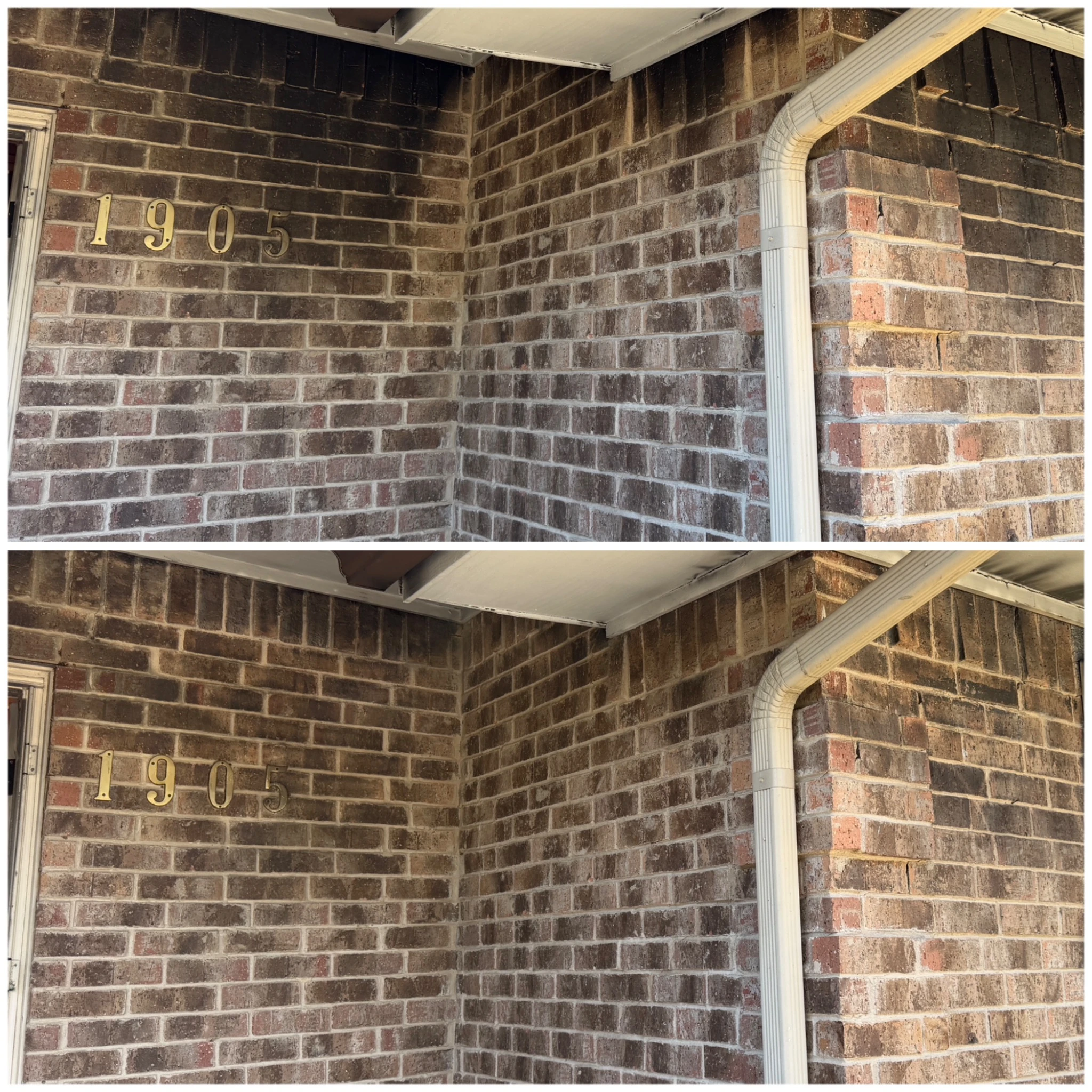
Framing, joists, trusses, sheathing, and subfloor. Attics, crawlspaces, and basements. Around nails, wiring, and plumbing runs where sanders cannot reach. Brick, concrete, and metal.
Contamination considerations
Extreme heat opens the pores in wood, and carbon residue fills them which is why soot blackened framing resists surface wiping. Mold behaves similarly, with spores and hyphae sitting in the first layers of the grain rather than on top of it. Dead spores are still allergenic, so blasted surfaces need HEPA vacuuming before containment comes down, same as any other method.
Why dry ice, and why not
No moisture introduced into a structure you are trying to dry out, and no blast media to separate from the debris you are already bagging. However: this is the removal step, not the whole protocol — containment, negative air, and post-remediation verification stay with you. Over-blasting mars wood and can damage trusses, so we feather across grain rather than dwelling. On heavy fire jobs, odor can penetrate deeper than the surface, and sealing framing may still be the right call. Severely charred structural members may still be a replacement decision.
We can work inside your containment or set our own. Tell us which.